1939 - 1943
A World at War
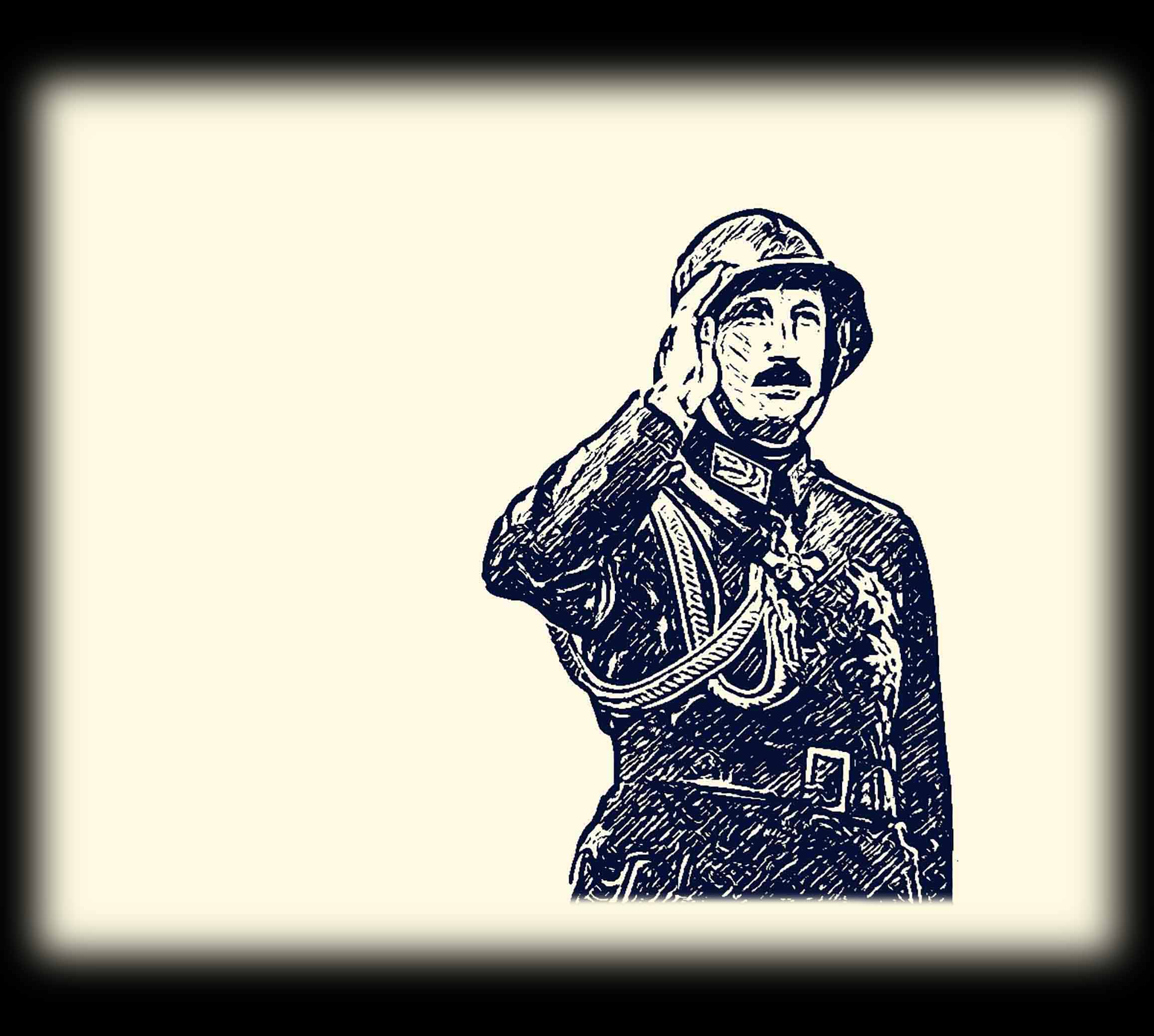
In September 1939, the world was once again engulfed in war. However, Bulgarians considered the initial conflicts to be far enough for them not to consider this as a danger to the Golden era which the country enjoyed at the time.
Global events have soon altered this false impression, as Bulgaria was soon part of the Tripartite pact, administering territories in Greece and Yugoslavia, which were initially occupied by the Germans. This military administration on behalf of the Bulgarian army was considered a phase on the path of possible future annexation of those territories, once the war was over.
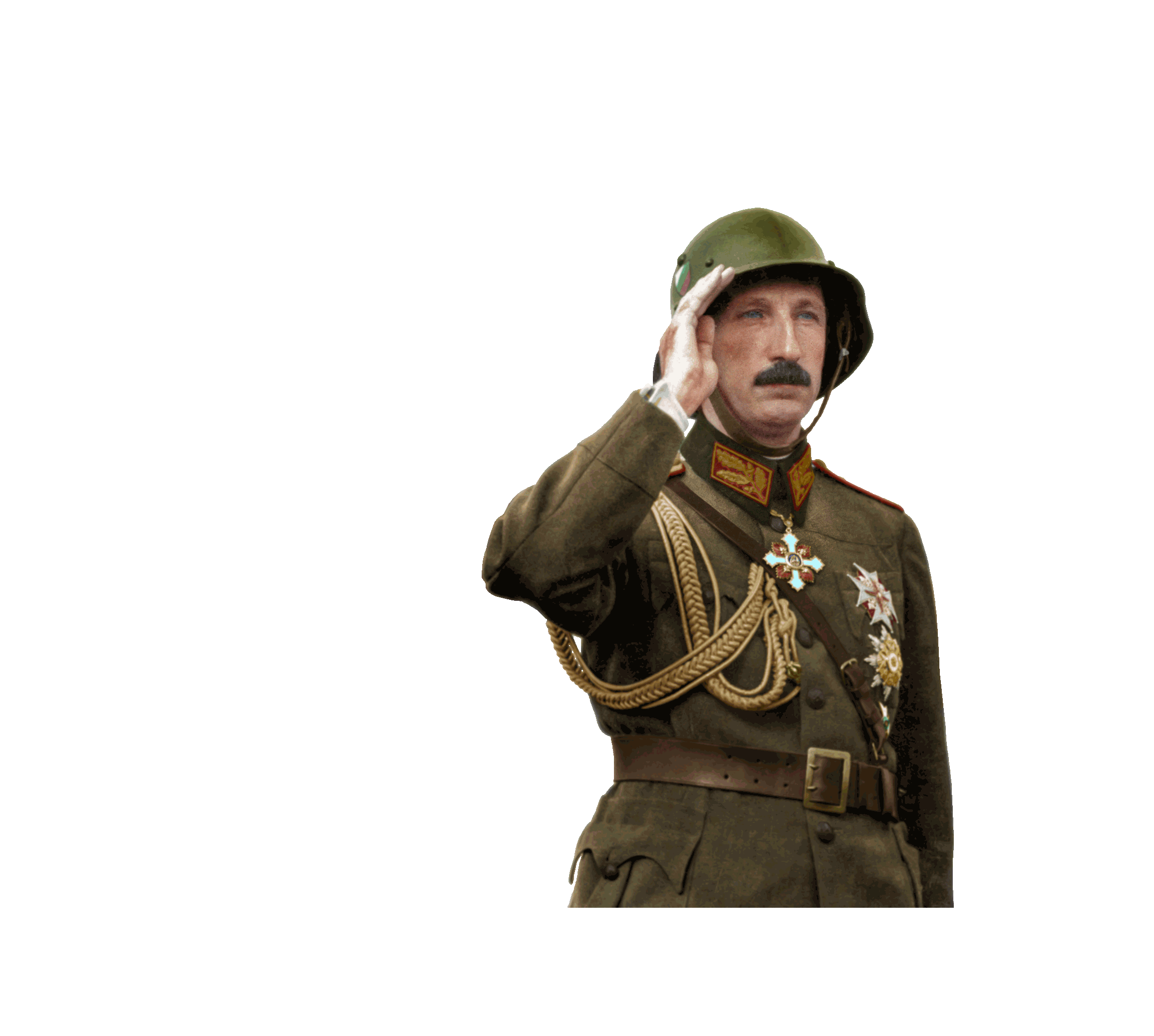
With significant efforts, Tsar Boris III was able to prevent the military participation of Bulgaria in the Nazi war in the east, while secretly searching for any possible peaceful exit from the war for Bulgaria. Unfortunately, the Tsar's unexpected death prevented the fruition of any of these plans.
August 1943
A Nation In Mourning
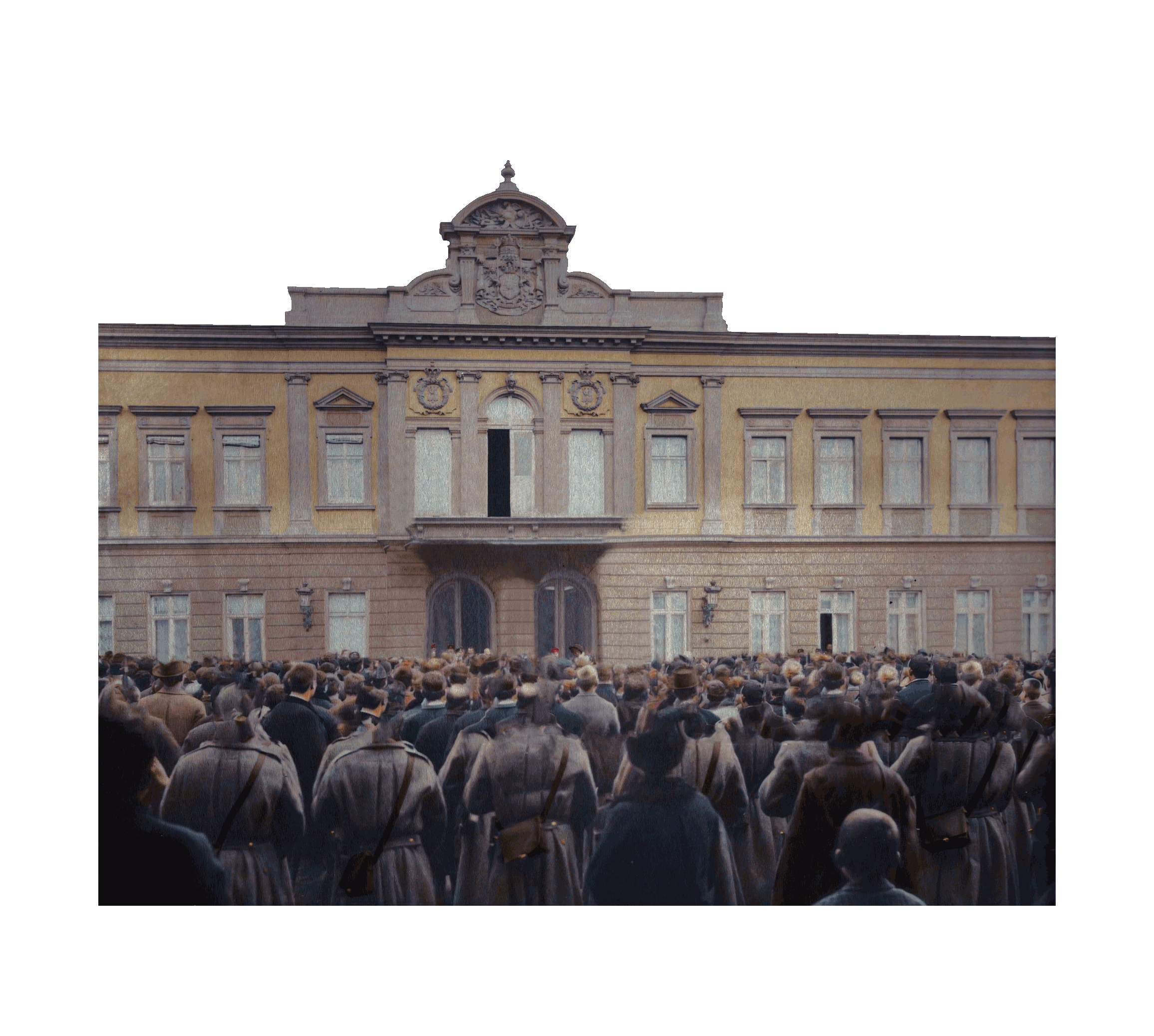
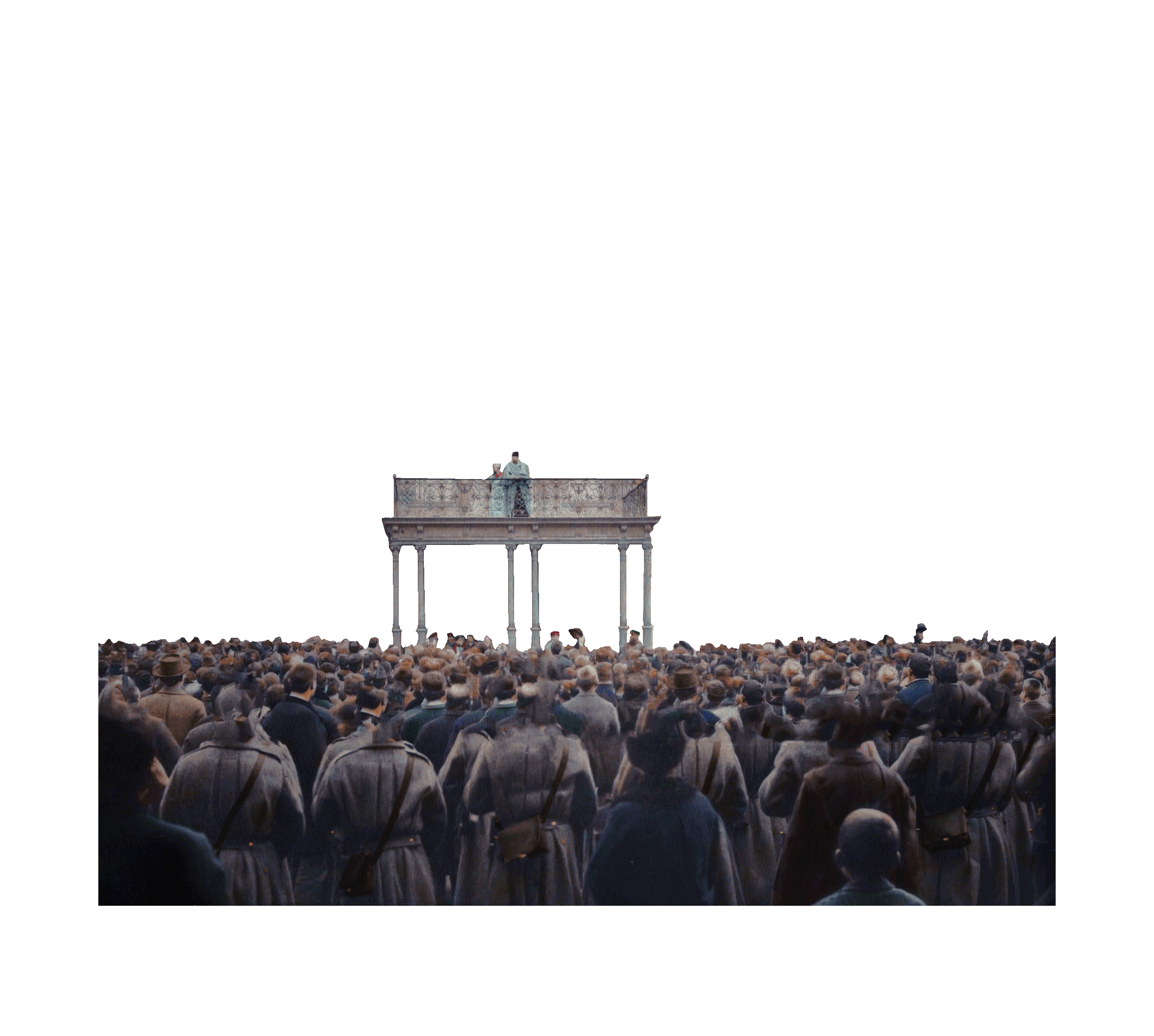
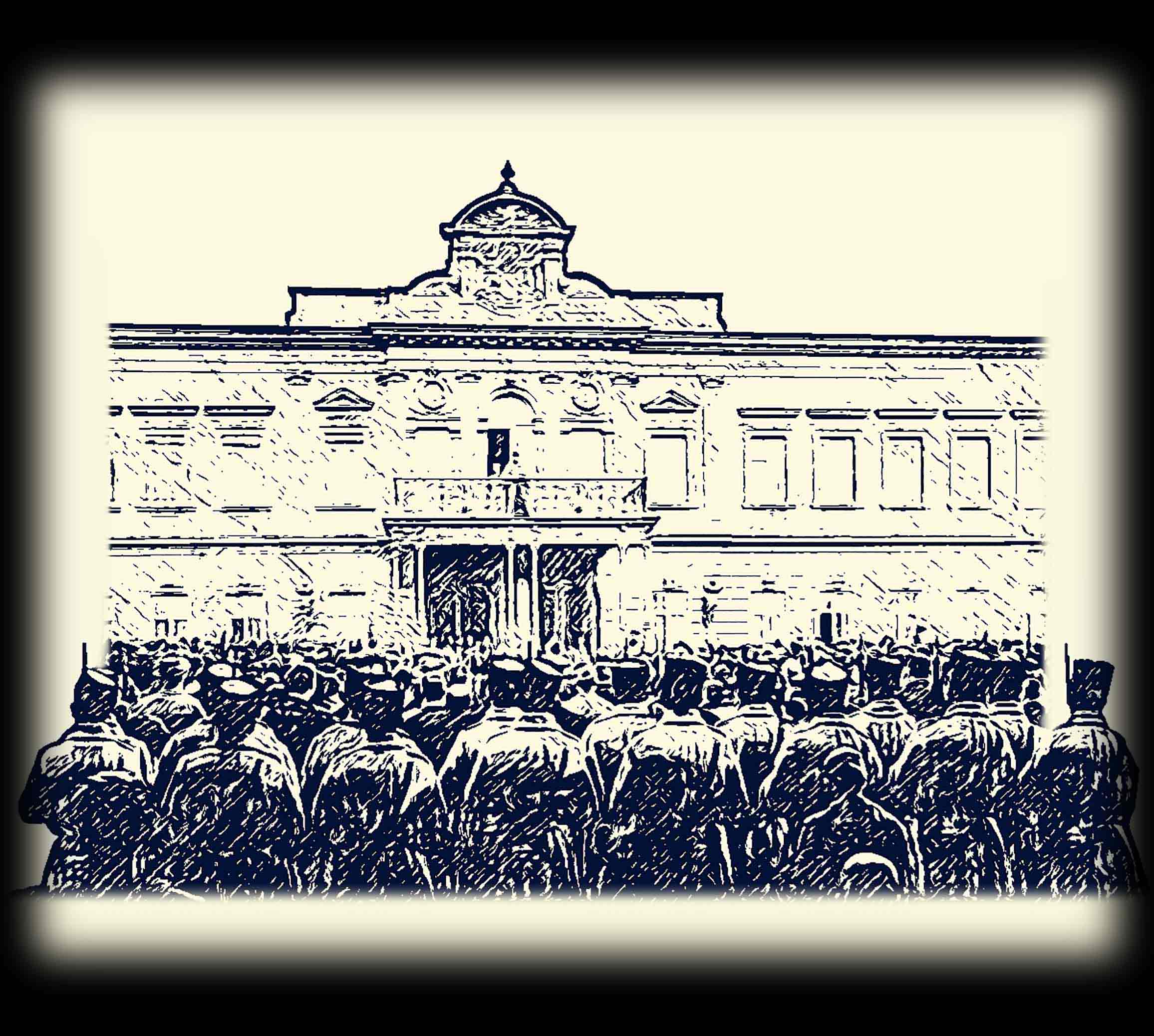
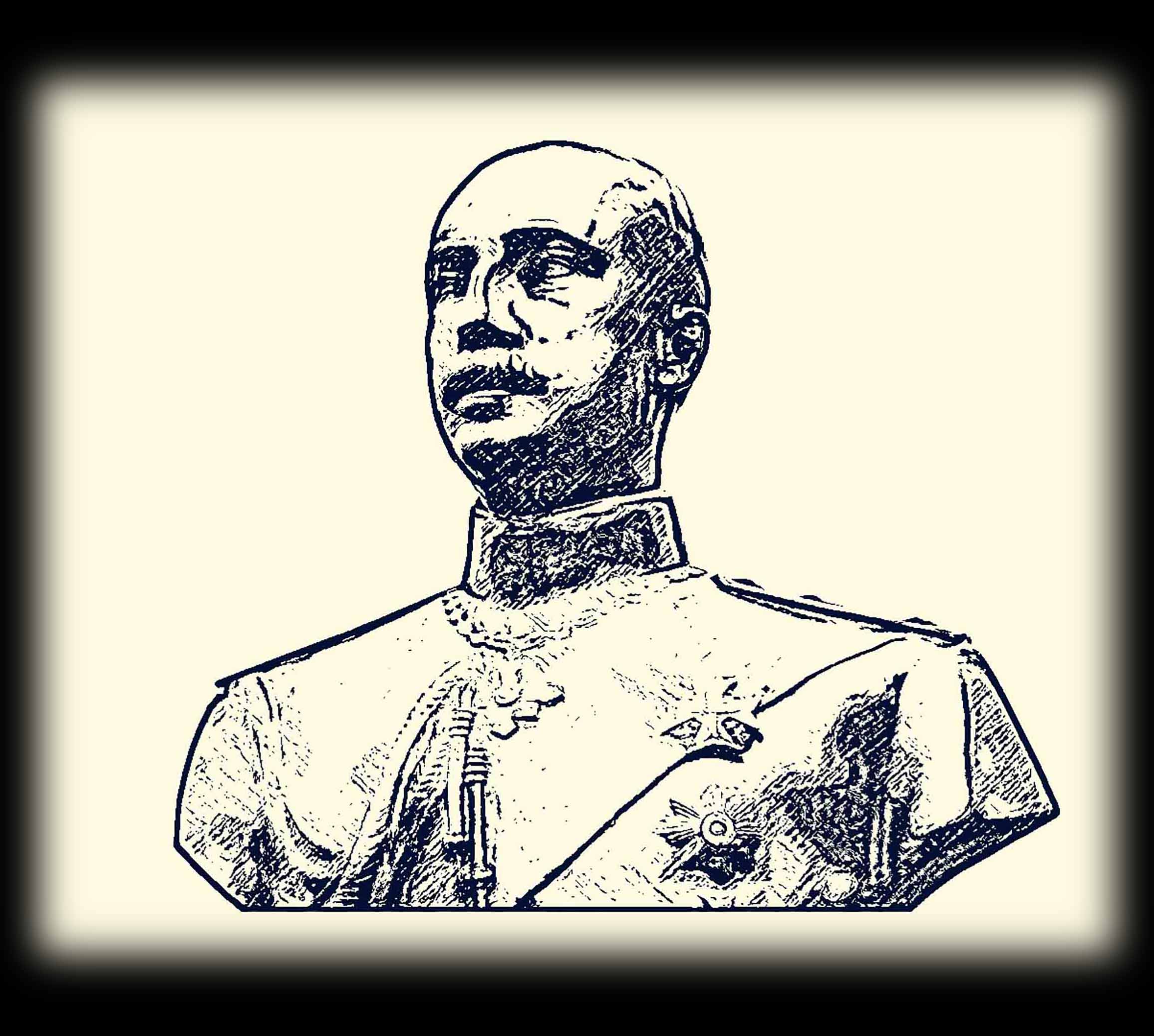
On 28th August 1943, the church bells across Bulgaria were tolling to signify the sudden and unexpected death of Tsar Boris III. The nation felt orphaned and broken amid the uncertain times of a world war.
Rumours about the real cause of death of Tsar Boris III quickly began to gain supporters. The theory of the intentional poisoning remains a highly disputed topic, with the culprit often being of the faction of one's ideological adversary.
With the death of the Tsar, the tightly knit governmental system started to quickly unravel and fall victim to foreign political pressure, as well as internal infighting. A Regency council was established in order to exercise political power on behalf of the new head of stage, the six-year-old Tsar Simeon II.
1943 - ∞
Legacy
Due to ideological prejudice and ignorance, we do not know where Tsar Boris III's grave is today. It has been demolished and erased during the times of the People's Republic of Bulgaria.
The Tsar's legacy also remains alive today, despite the reputational damage, inflicted by the Communist era and its agenda. The memory of the Popular Tsar lives on in the numerous stories that some of our grandparents used to tell - of that one time they had a random encounter with a humble, well-dressed man while hunting in a remote forest; or when the victims of natural disasters received a large sum of money, helping them to rebuild their home.
The legacy was also preserved outside the boundaries of Bulgaria, as in the case of the descendants of the 48,000 Bulgarian Jews, saved from perishing in the Nazi extermination camps. These people still recognise the key role of the Bulgarian Royal house during Europe's darkest years.